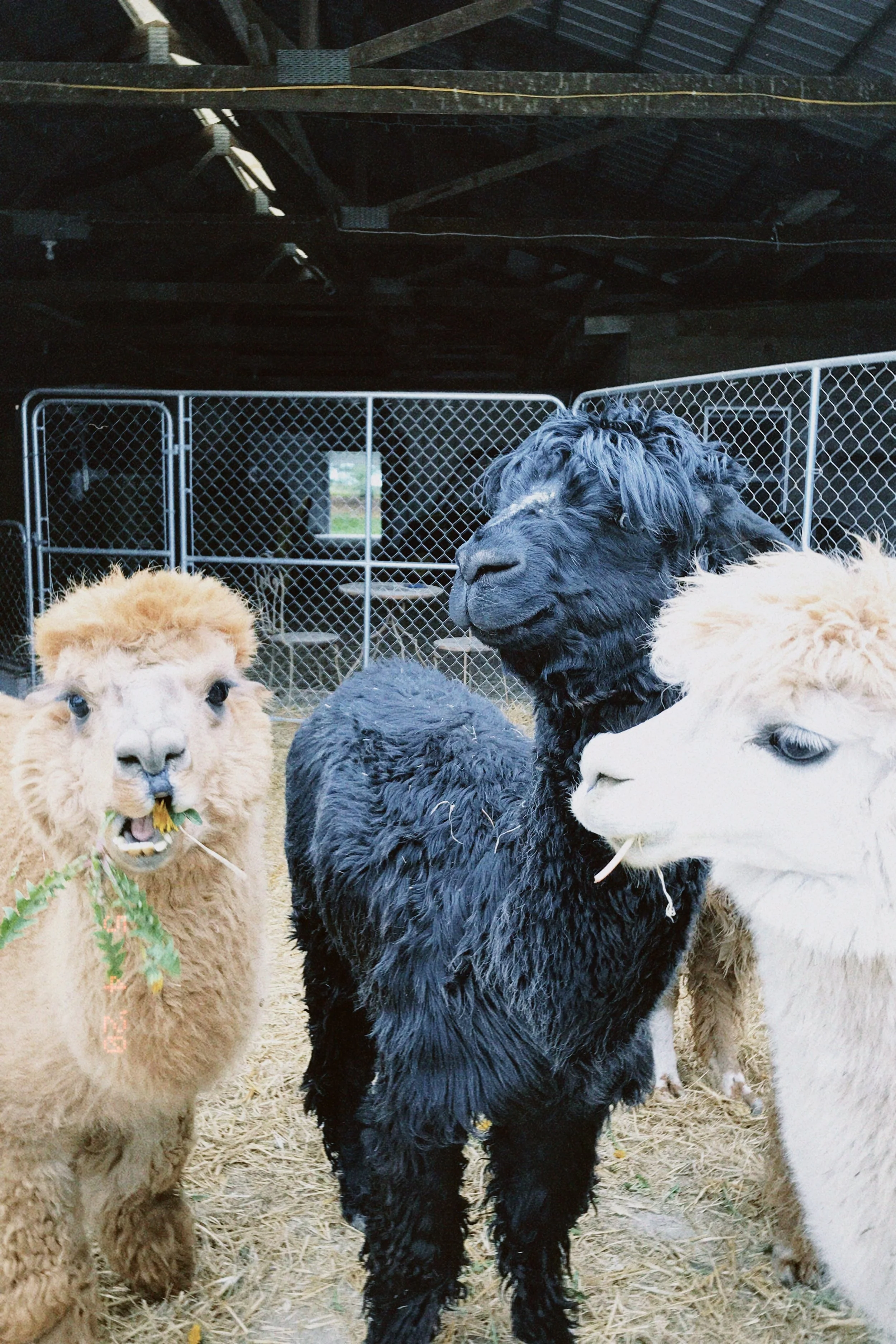
The Mueller Farm alpacas.
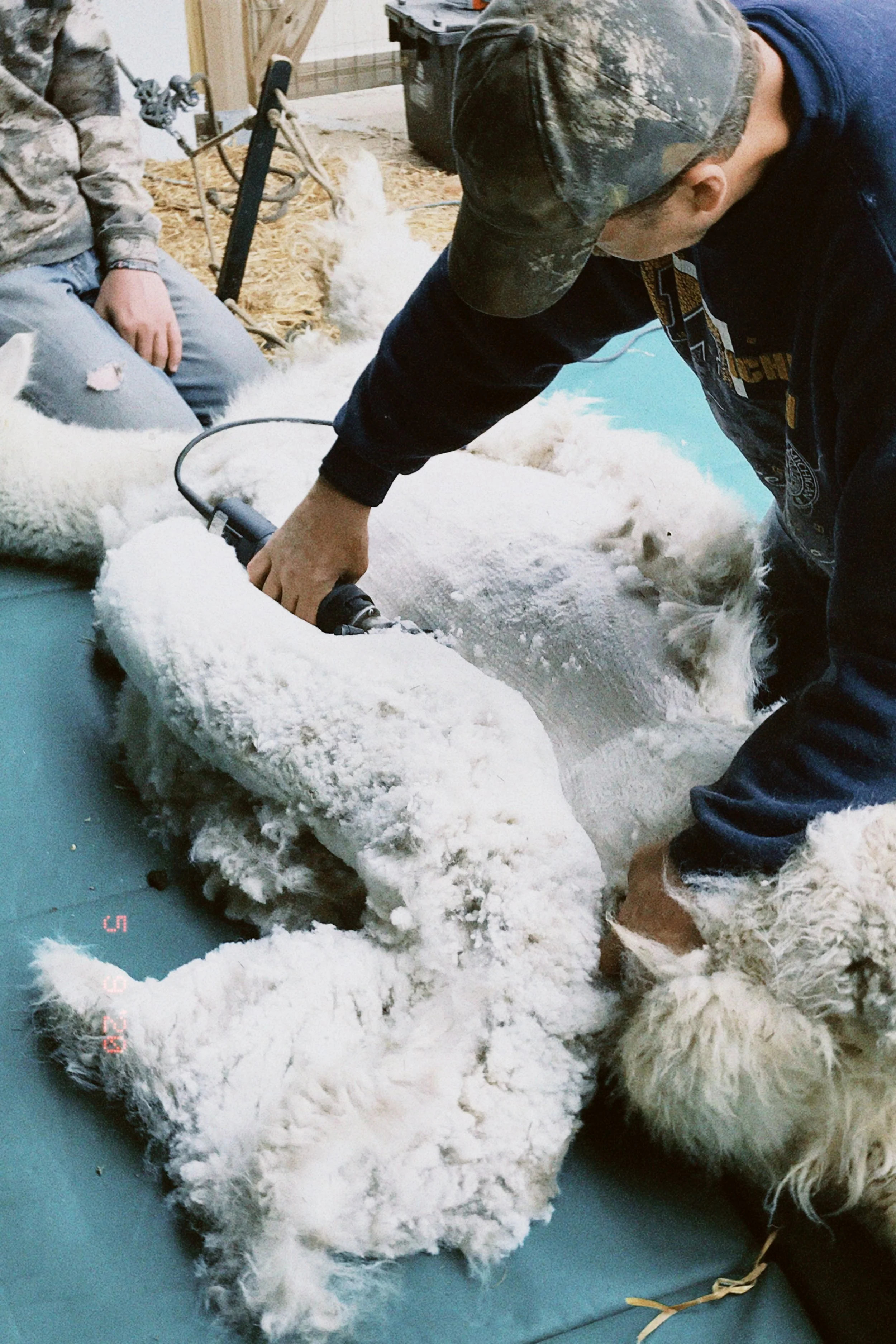
Shearing the alpaca’s fleece.
Earlier this year, I was accepted into the American Craft Council's Early Career Artist Program. One of the best parts of the program is the chance to apply for a microgrant. I applied for a Tools and Materials Grant, and I'm happy to say I received it. In this post, I'll share my application, my project, and the impact this grant will have on my practice.
The Application
My proposal included a budget, a project description, and a statement about how the project would affect my work. I’ve spun alpaca roving before, but this time I’m taking it further by processing my own fiber from start to finish. The application process was simple and easy to access. Usually, grant applications take a lot of time and effort, with long narratives and lots of attachments. This one was different. Applying for the American Craft Council grant was easy and straightforward. The application was short, and the questions were clear. Here is what I submitted.
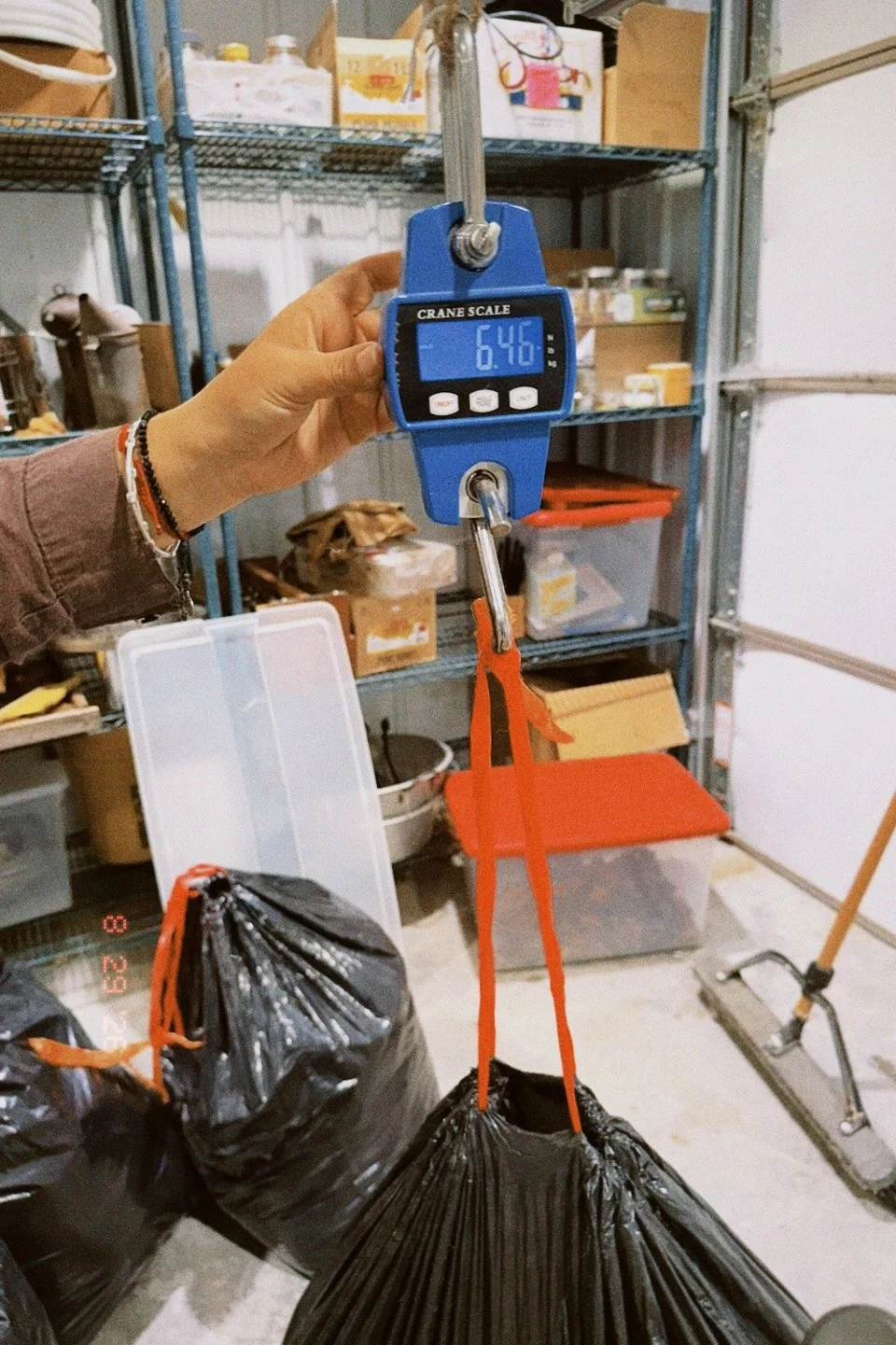
Weighing the bags of fleece before skirting.
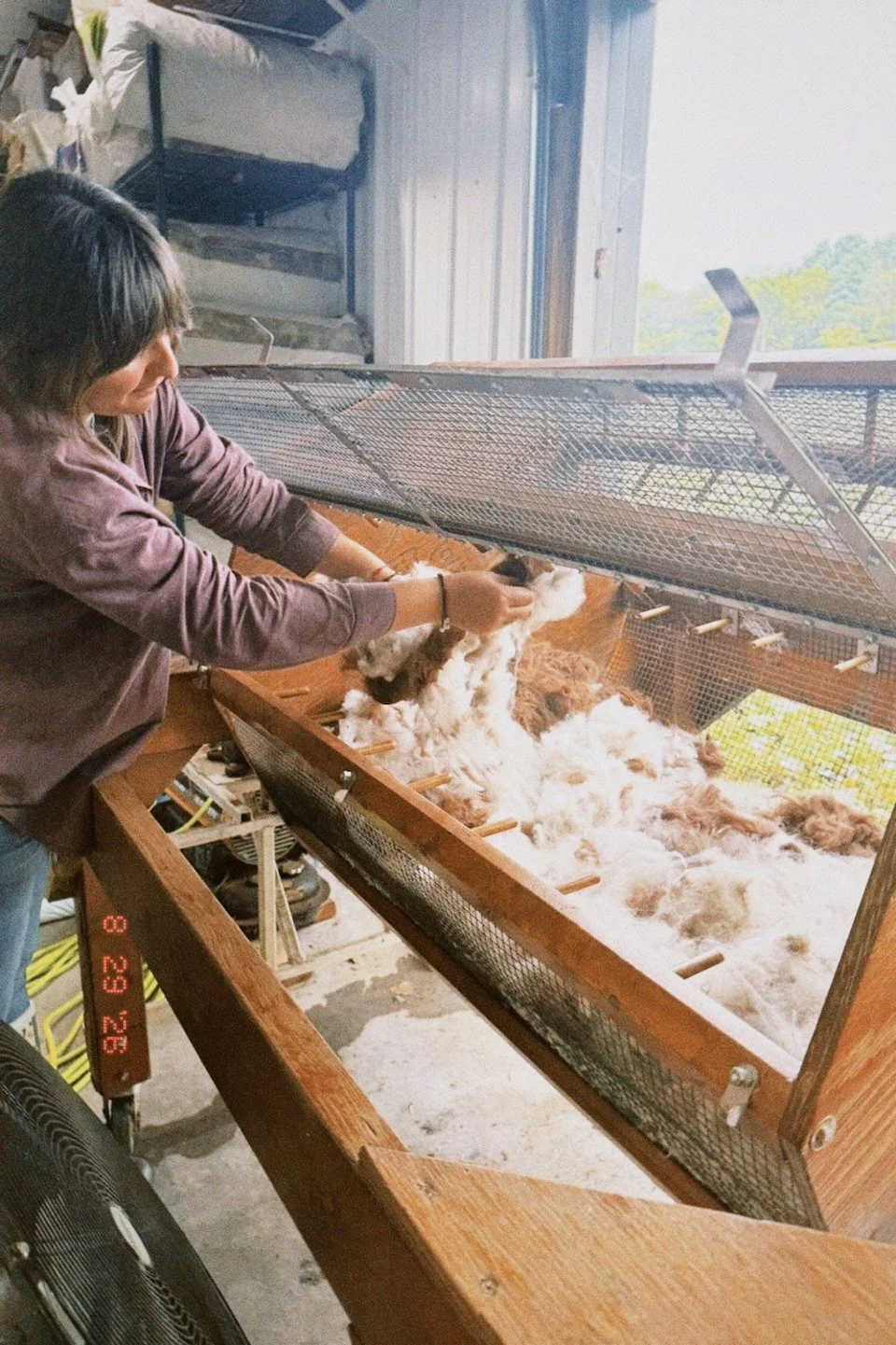
Placing the fleece into the rotary wheel to shake off loose dust and dirt.
Project Description
I am seeking support to buy a drum carder and spinning wheel, which are essential tools for expanding my studio practice into fiber processing and hand spinning.
With these tools, I’ll process fleece from raw fiber by cleaning, washing, carding, and spinning it. After that, I’ll weave it into finished textiles. As a handweaver, I believe it’s important to understand the full lifecycle of the materials I use. Learning more about fiber preparation and spinning will help me see how fiber alignment, yarn structure, and twist affect how yarn behaves on the loom.
Working directly with locally sourced fiber matches my commitment to sustainability and responsible material use. I receive alpaca fiber as a gift from a local friend who keeps alpacas on her farm. This personal connection helps me learn more about the material and strengthens my relationship with both the fiber and my community. Processing the fiber in my own studio lets me work on a small scale and better understand how raw fiber becomes finished cloth.
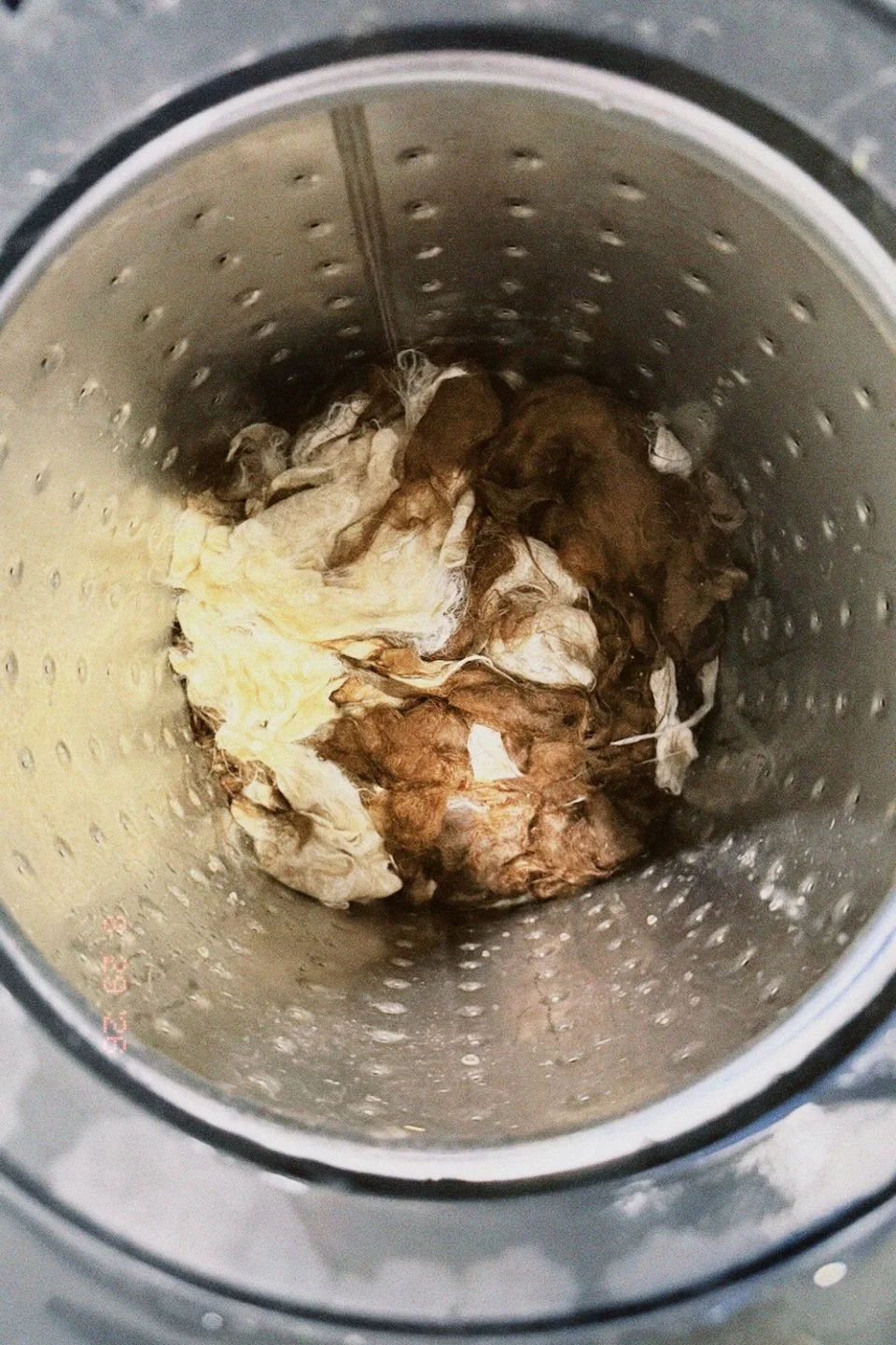
Excess water being spun out of the fleece for faster drying.
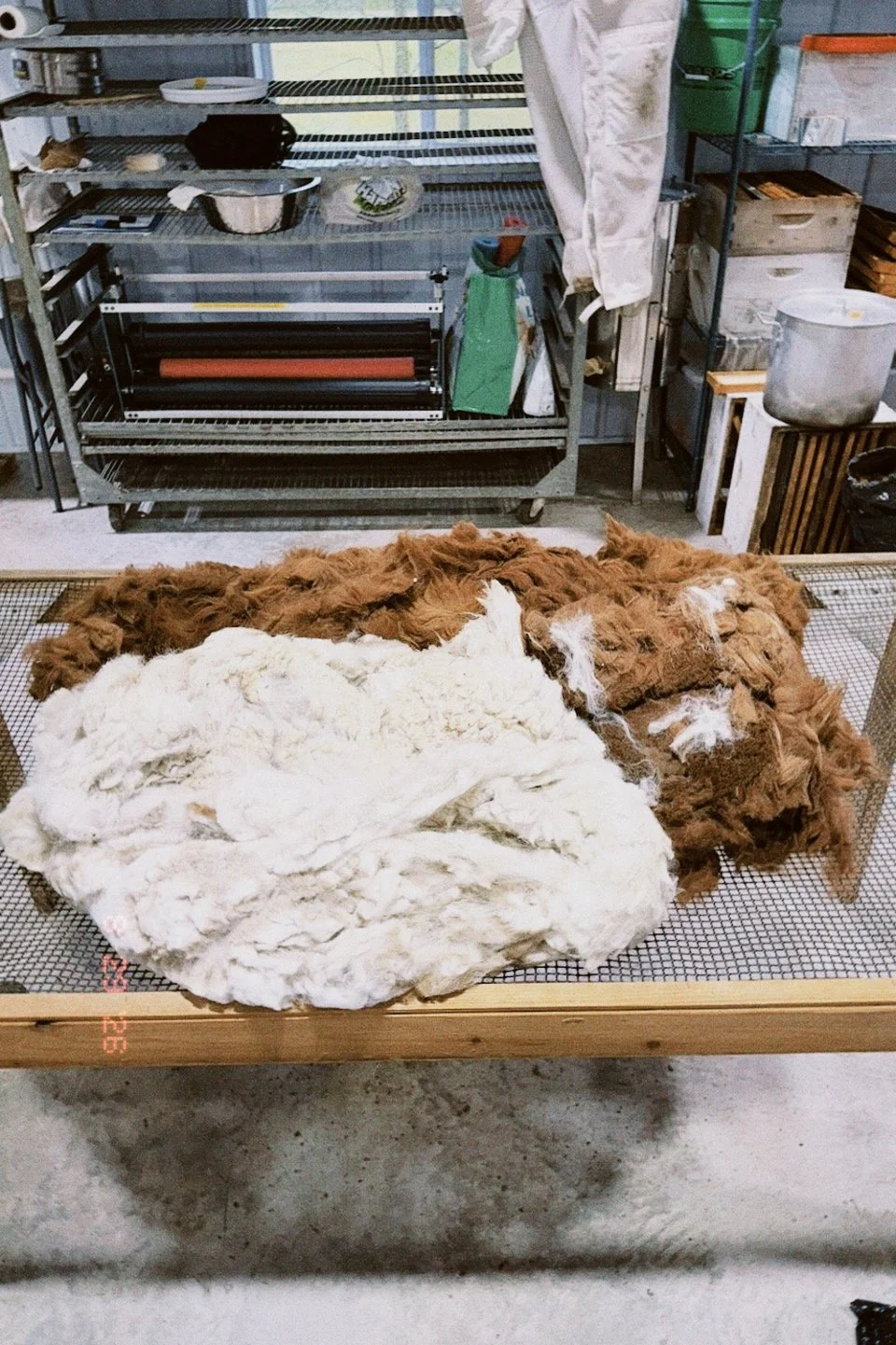
Alpaca fleece at the skirting table.
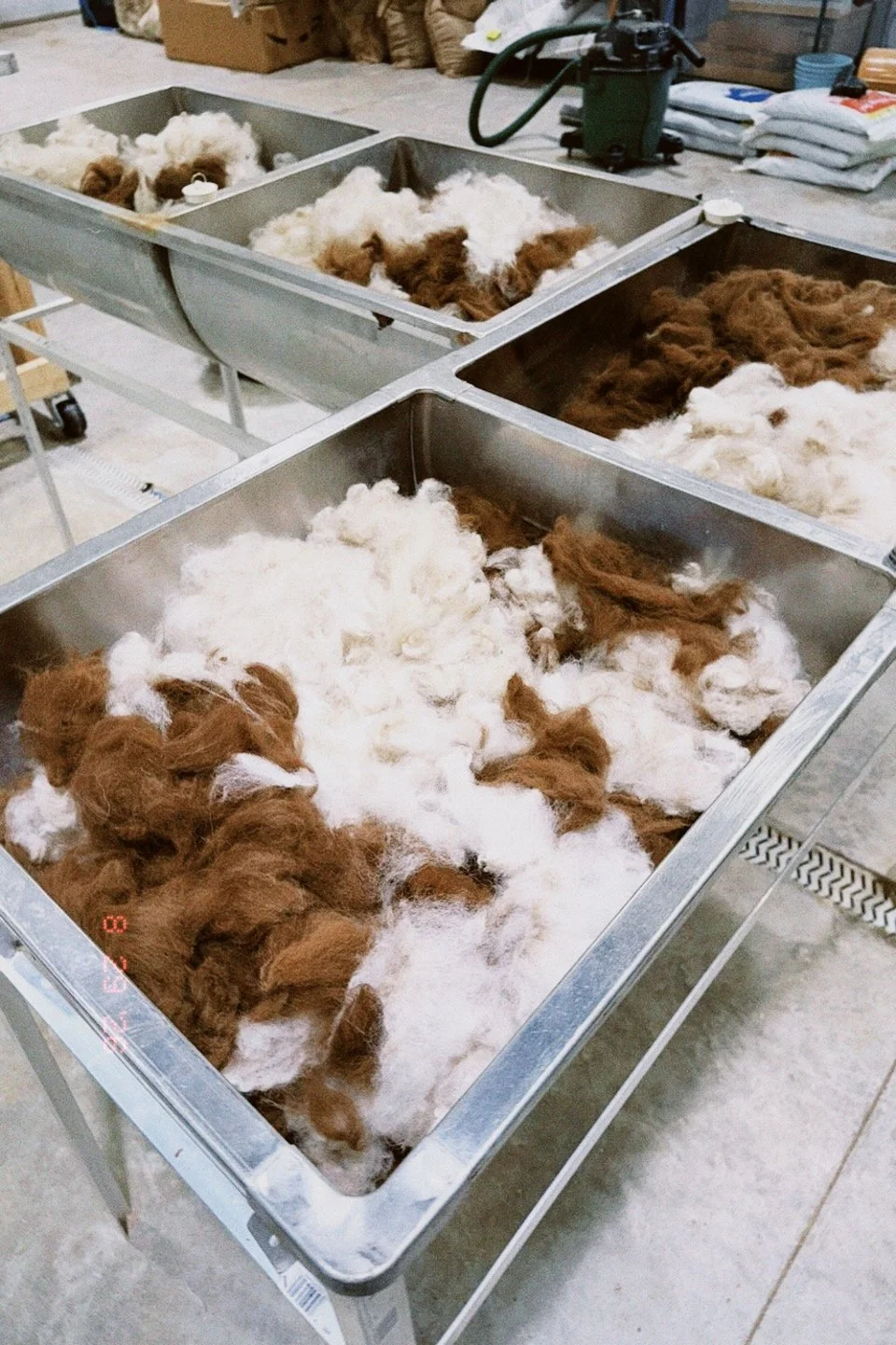
Fleece in washing basin.
Impact
This grant will let me add fiber processing and hand spinning to my weaving practice, so I can use more materials and techniques in my work. I’ll be able to make small batches of yarn made specifically for my woven textiles.
Making my own yarn will let me try different ways to prepare fiber, blend, and build yarn. This opens up new options for texture, weight, and surface in my weaving. Having this control means the fiber’s qualities will play a bigger role in shaping the final cloth.
Using these materials will help connect my studio practice with the local agricultural community. This supports a more sustainable, place-based approach and keeps my work connected to its material origins.
In the end, this grant will help me expand the material language of my weaving and create pieces that show a deeper connection to the process of turning fiber into cloth.
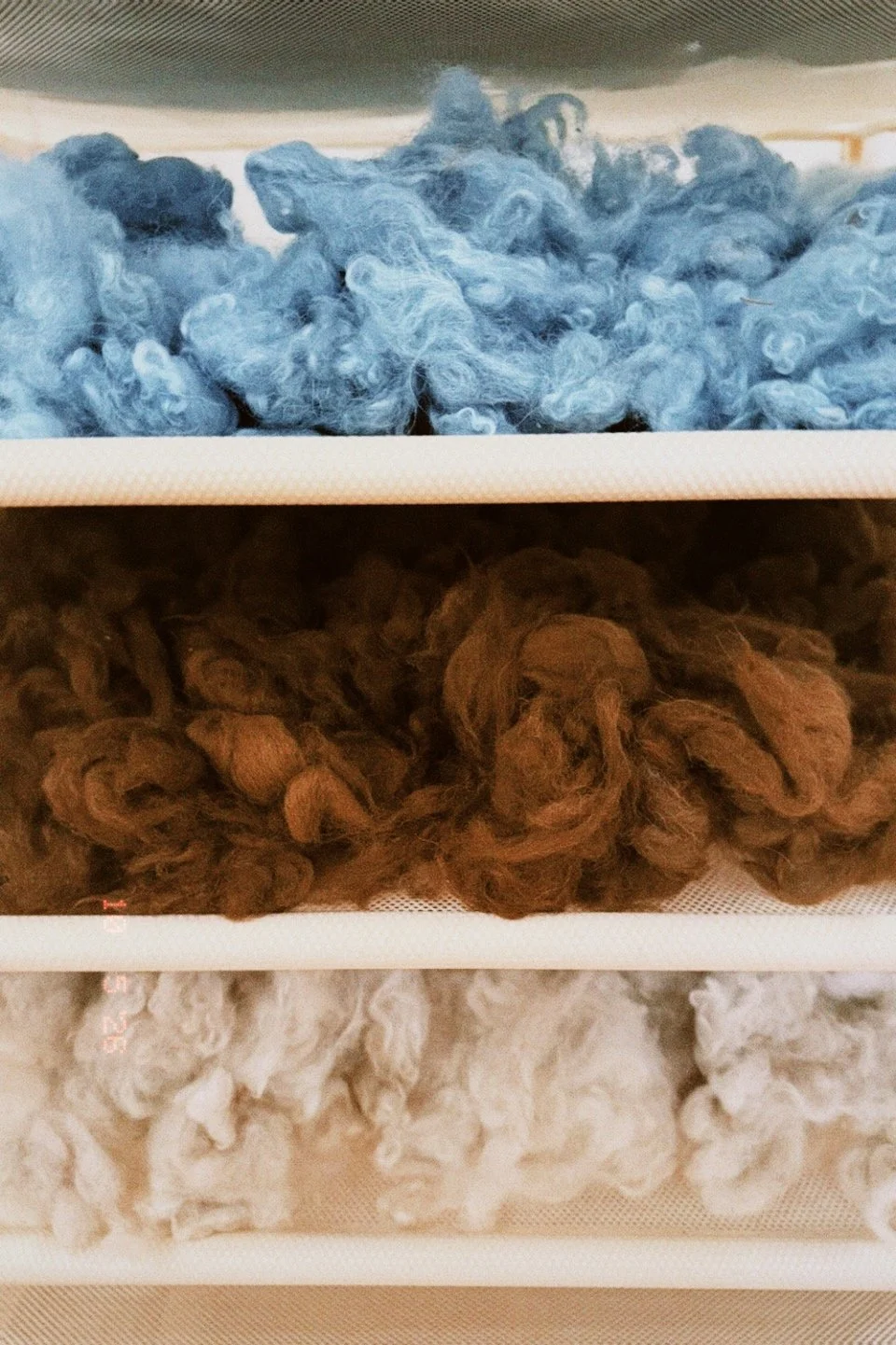
The fleece has been sorted by color and is ready to be carded.
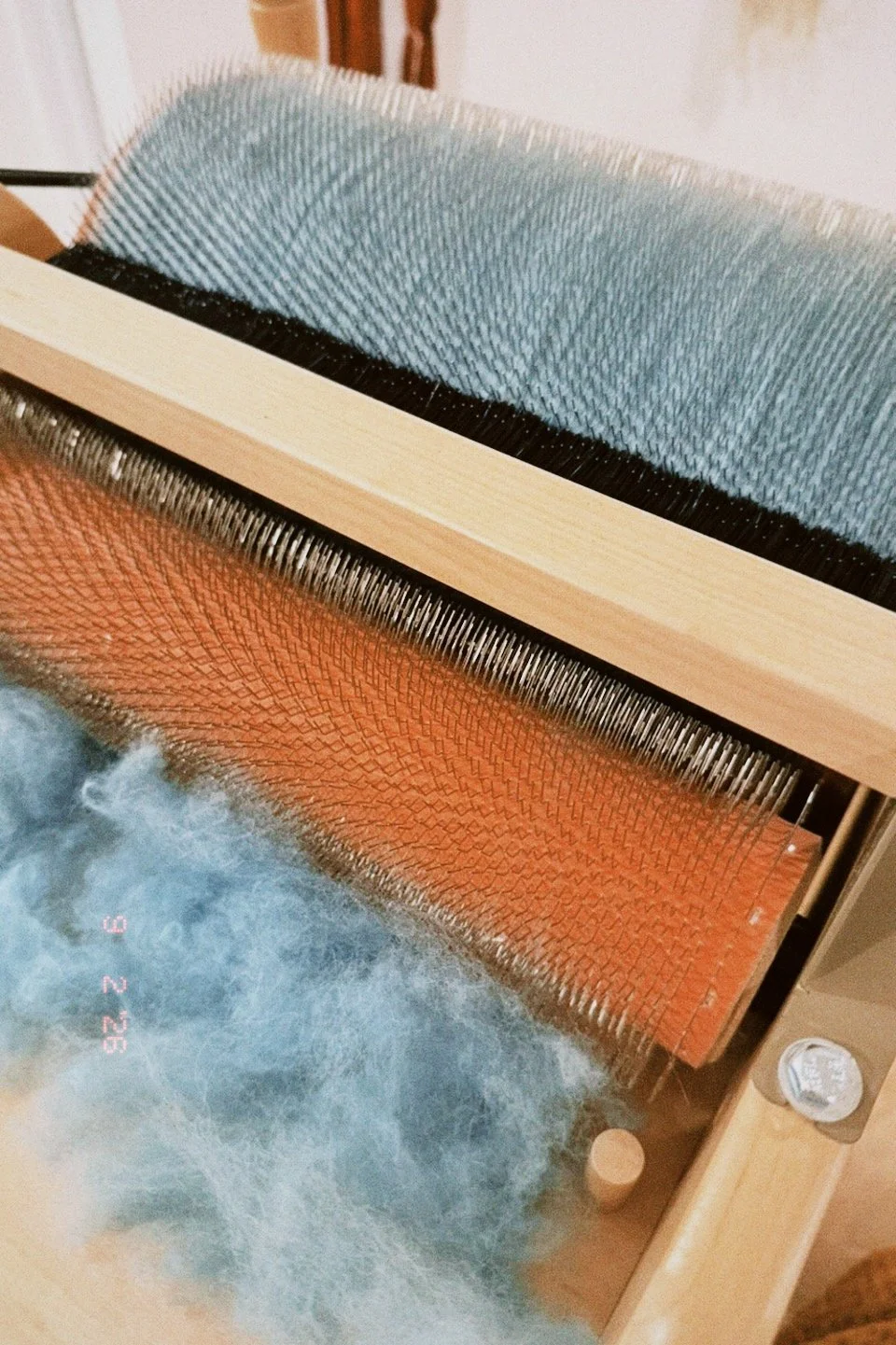
Ashford Wide Drum Carder.
What’s Next
The photos throughout this post document my fiber processing so far, from raw alpaca to carded fleece. I'll keep going in 2027, and the yarns I will spin will go into the pieces I weave throughout the year. I'll share the process here as it unfolds, so follow along to see this fiber become cloth.
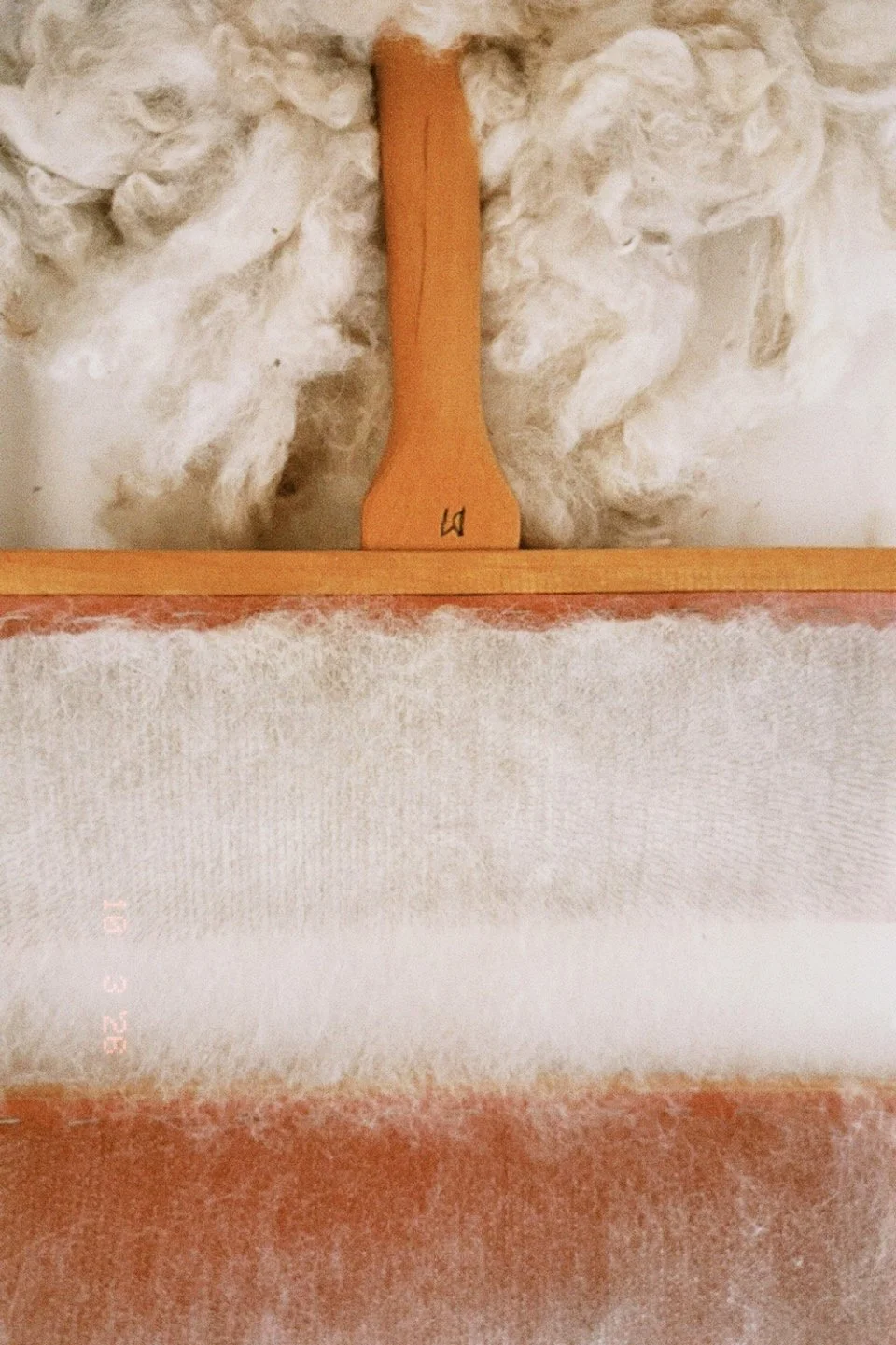
Hand carders.
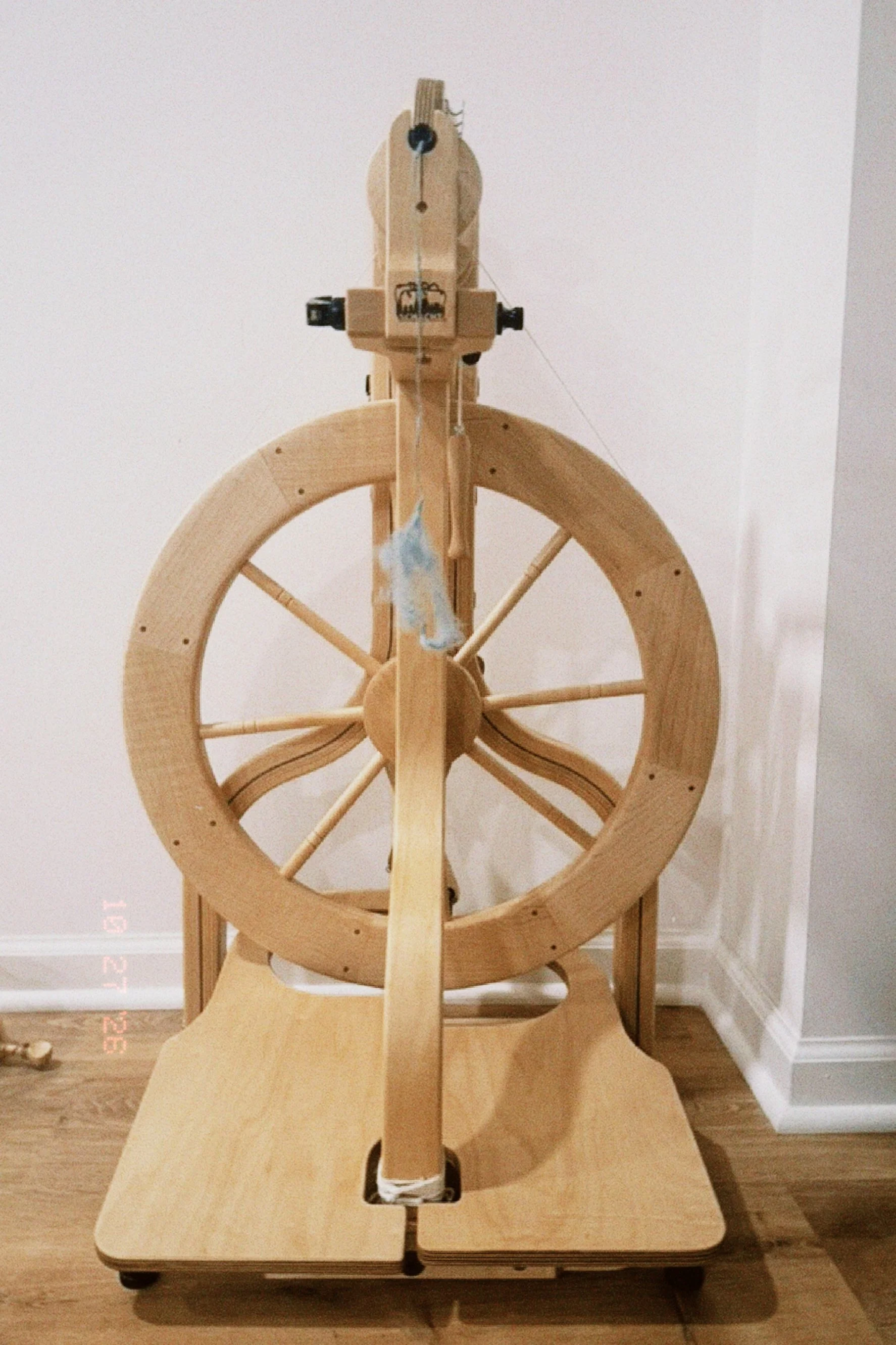
The Schacht Matchless double treadle spinning wheel.